
Guide
Cutting Summer Cooling Costs in Northern Virginia
Runtime is the summer bill. Here are the free habits, cheap fixes, and larger projects that cut cooling costs in a humid Northern Virginia house, in order.
By the Editors · Northern Virginia Home Comfort
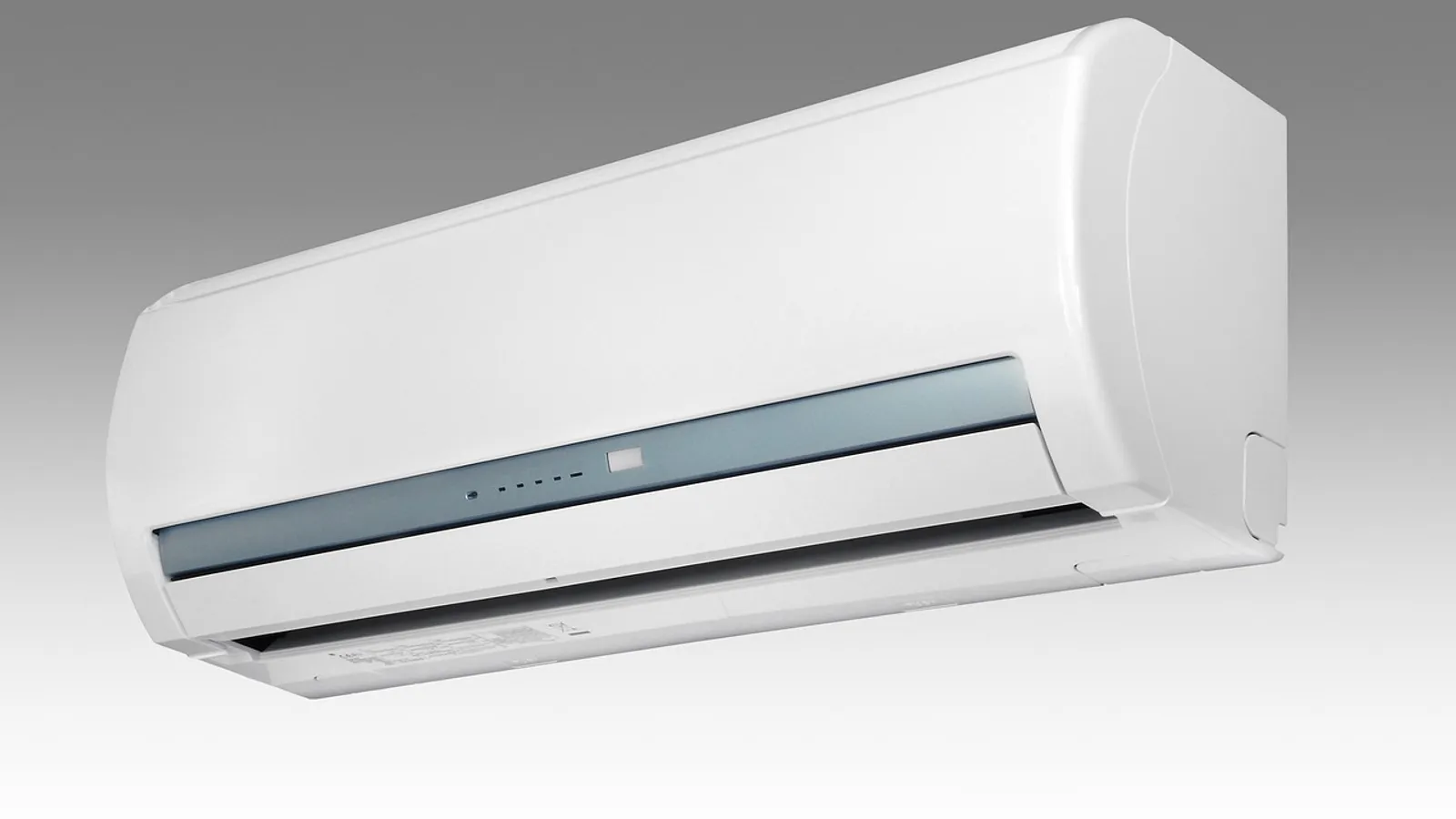
A summer bill in this part of Virginia is one appliance running for four months. Everything else on the statement is rounding. That single fact is also the good news, because runtime is something a homeowner can move, and moving it does not require buying anything.
Hold one idea through everything below: every hour the compressor runs costs money, so any change that lets the house stay comfortable with fewer running hours is a saving. The list that follows is ordered by what that idea rewards. Free habits first, cheap repairs second, structural projects last. Working in that order is what keeps you from buying a system to solve a problem a filter was causing.
You are paying for humidity at least as much as for heat
Air conditioning here does two jobs at once. It drops the temperature, and it wrings water out of the air, hour after hour, from June into September. The second job is invisible on a thermostat and expensive on a bill.
It also changes what comfortable means. A house at seventy-six with the moisture under control feels better than the same house at seventy-three feeling damp. That is why the sweaty-cold sensation some people get from an oversized unit is not a paradox: a system that cools too fast shuts off before it has removed much water, leaving air that is cold and clammy at the same time. If your house feels damp while the temperature reads fine, note it and raise it with a technician, because it usually means the equipment is short cycling rather than running the long steady cycles that dry a house out.
You can start with five habits that cost nothing at all
None of these require a purchase, a ladder, or a Saturday.
- Raise the setpoint and then leave it alone. Every degree upward trims runtime. Find the warmest number the household will genuinely accept, then stop touching it. Chasing the temperature down and back up all day costs more than either setting alone.
- Let the house drift while nobody is home. A few degrees of setback during a workday, recovered before anyone walks in, beats holding one temperature around the clock.
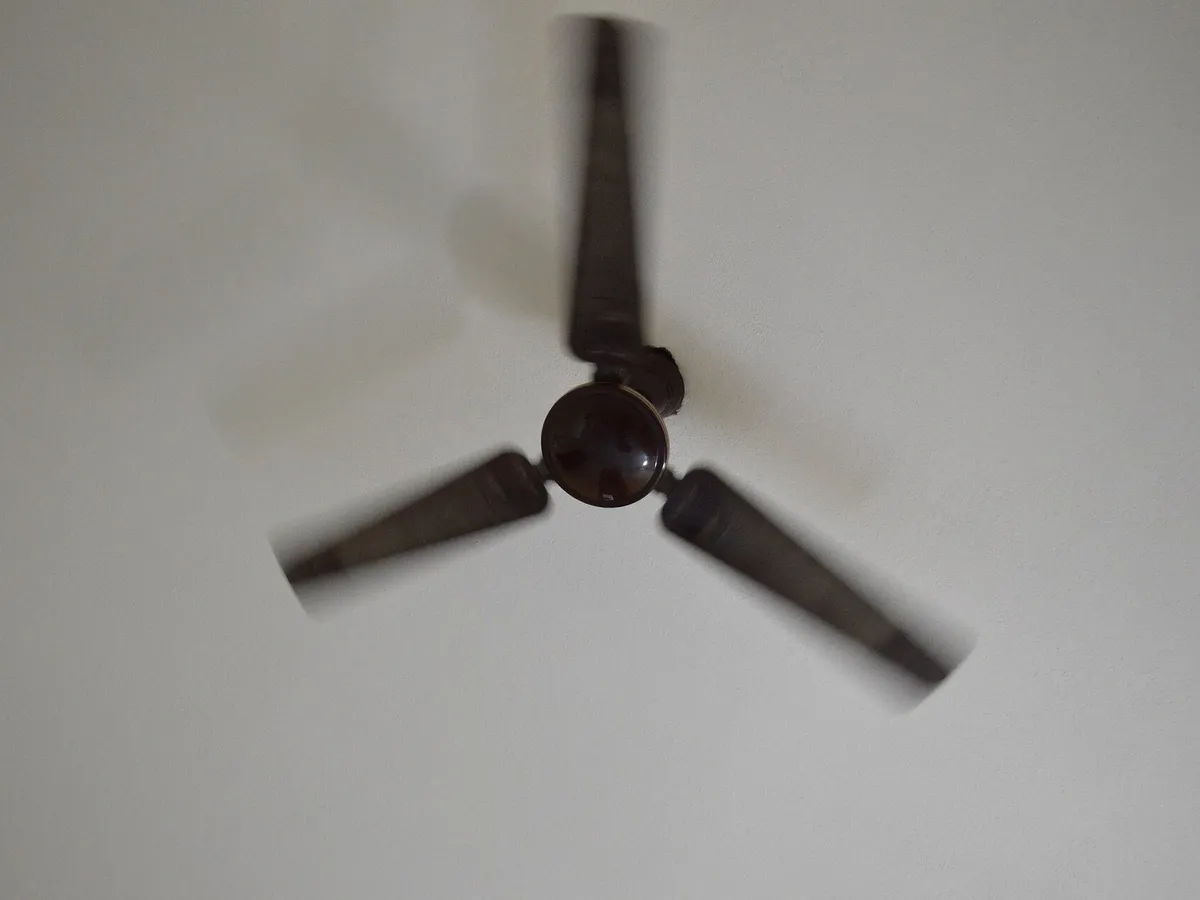
- Run ceiling fans only in rooms with people in them. A fan moves air across skin, which makes a warmer setpoint feel fine. It does nothing whatsoever for an empty room except add heat and draw power.
- Close blinds on sun-facing glass through the afternoon. Direct sun on a window is a heater you did not buy, and blocking it takes load off the system during the worst hours.
- Move heat-producing chores to the evening. An oven at one in the afternoon is competing directly with your compressor, and the compressor loses.
For day to day decisions, the better question is not how cold you can get one room but how little the whole system has to run to keep the house livable.
You should fix airflow before you buy anything
Once the habits are set, the cheapest real repairs are all about air reaching the places it is supposed to reach.
You lose the most to a filter nobody checked
Change the filter on a schedule through cooling season, not when you remember. A choked filter starves airflow, which lengthens runtime and, at the extreme, ices the coil and stops cooling entirely. It is the least expensive item on this page and the most commonly skipped.
Put a hand at a return grille after a few weeks of hard running. If the pull feels weak, check the filter before you check anything else.
You lose the rest through ducts you never see
In a great many homes here, ductwork runs through an attic that hits well over a hundred degrees in July, or a crawlspace that is barely better. Leaky or uninsulated ducts deliver expensively cooled air into those spaces instead of into your rooms.
Sealing accessible joints with mastic and insulating the runs through unconditioned space is modest work with a return that repeats every cooling season. While you are there, resist the urge to close registers in unused rooms. It raises static pressure, sets the blower pushing against itself, and generally costs more than it saves.
You can take load off the house before it ever reaches the coil
Air sealing is usually filed under winter work, and that is a mistake. The same gaps that let heat out in January let hot, humid air in during July, and the humid part is what makes it expensive here. The caulk and weatherstripping you would use in either season are identical.
Outside, give the condenser a fair chance. A unit baking in direct afternoon sun with shrubs crowding it works measurably harder than one with clearance and some shade. Cut plants back to a foot or two, keep the fins clear of clippings, and do not stack anything against it. The unit needs to move a large volume of air across those coils, and it cannot do that through a hedge.
Shade on the house itself is worth more than shade on the equipment, though it takes longer to arrange. A tree on the west side, an awning over the worst window, or even a light exterior blind changes how much heat reaches the wall in the first place. Stopping heat outside the glass beats removing it once it is in the room, every time.
You should read your own house rather than a national average
Two houses on the same street can have completely different cooling profiles, because Northern Virginia was not built all at once. Older frame and brick homes tend to have leaky shells, thin attic insulation, and ducts added long after the fact. Newer subdivision builds are tighter but frequently have long duct runs through hot attics and large expanses of west-facing glass.
The region's institutional history is a decent lens on that layering. You can read the university's own history and browse the Simpson Library for a sense of how the older parts of the area developed, while the newer growth corridors near Germanna Community College tell a different story about when and how the surrounding housing filled in, with more about Germanna for anyone who wants the longer version. The practical point for a homeowner is simple: figure out which era your house belongs to, and let that decide which of the fixes above deserves your first dollar.
You will reach the big levers last, and that is correct
When the habits are in place, the filter is on a schedule, and the ducts are honest, the remaining money is in structure and equipment.
You get summer value out of attic insulation too
Attic insulation is usually sold as a winter improvement, but it works both directions. It keeps the day's roof heat from soaking down into the ceiling and radiating at you all evening. In most homes here it is the best structural investment available for year-round comfort.
You should let a thermostat handle the setbacks
A programmable or learning thermostat automates the drift-and-recover pattern so it survives a busy week. In larger or multi-level homes, zoning can direct cooling toward where people really are, though it is a real project and deserves careful pricing rather than an impulse.
You size equipment after the shell work, never before
An aging or oversized air conditioner runs badly no matter how well you manage it. If the equipment is near the end of its life, a right-sized, more efficient replacement can cut summer usage meaningfully. Do the sealing and insulation first, then have the load calculated, or you will buy more system than the improved house needs and inherit the short-cycling problem described at the top of this page.
You can stop doing four things that quietly cost you all summer
- Setting the thermostat far below your target to cool faster. The system has one speed. A lower setting only means it runs longer, and it can freeze the coil.
- Closing too many vents. On most systems this raises pressure and hurts efficiency instead of helping it.
- Skipping the filter change during the busiest months, which is exactly when airflow matters most.
- Letting the outdoor unit sit boxed in by plants, fences, or stacked clutter.
Correcting all four costs nothing and generally beats any gadget you could buy this week.
You get the July bill you planned for back in May
Cutting summer cooling costs here is a stack of small unglamorous wins: raise the setpoint, use setbacks and fans, block the sun, keep the filter fresh, seal the leaks, fix the ducts, and only then weigh insulation and equipment against an honest payback. Every one of those lowers runtime, and runtime is the bill.
The homeowner line is clear enough. Refrigerant, electrical work, duct sealing in tight spaces, and any system replacement belong with a licensed technician. A system that short cycles, freezes repeatedly, trips a breaker, or leaves the house damp while running constantly is telling you to stop experimenting and get professional Fredericksburg AC and furnace repair on it before a small fault turns into a compressor. Start the free habits this week and you will notice the difference before the next billing cycle closes.
A comfortable home isn't the biggest system — it's the right one, cared for well.
From the editors