

Guide
Furnace Repair vs. Replacement: A Virginia Homeowner's Guide
Age, repair cost, safety, and running cost decide whether a Virginia furnace is worth fixing. Here is the framework, before the night you need it.
By the Editors · Northern Virginia Home Comfort
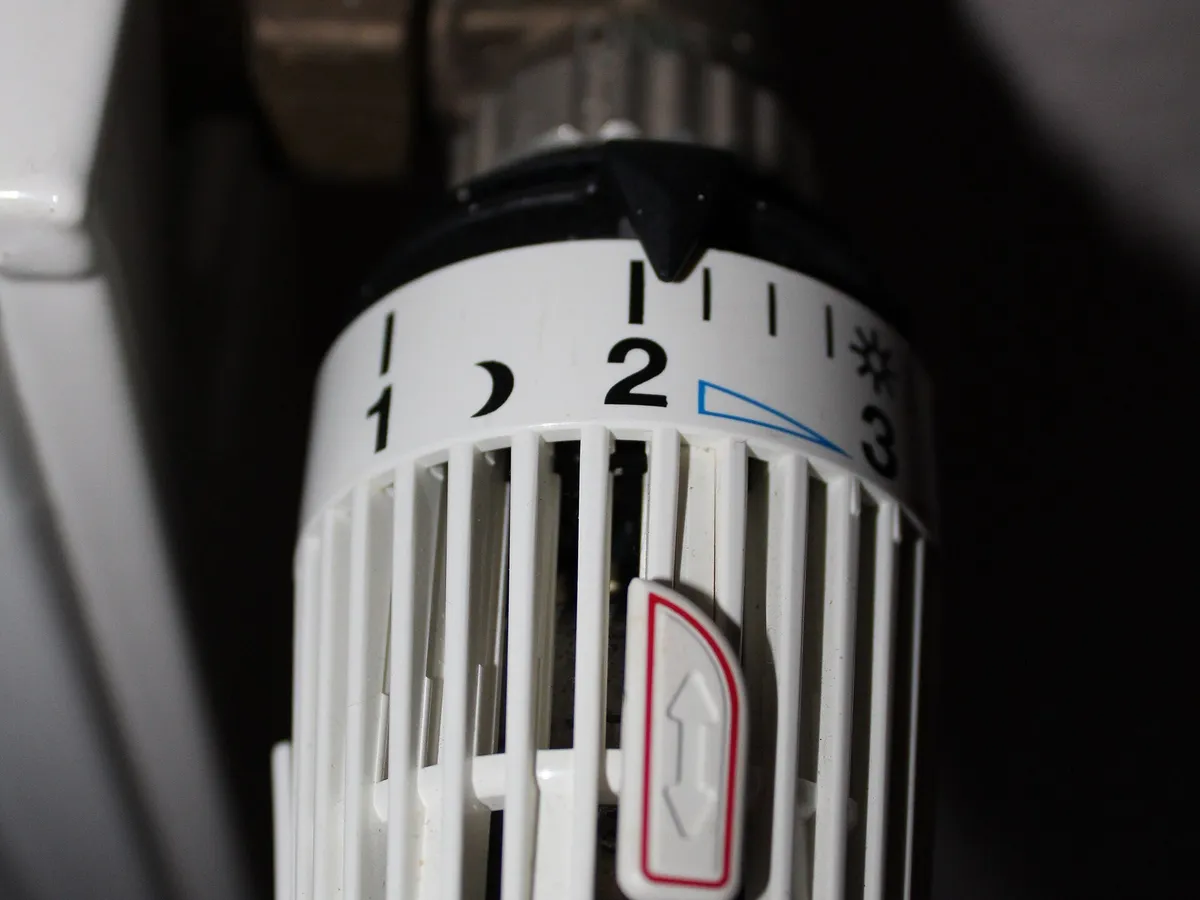
This decision has terrible timing by nature. The furnace stops on the coldest night of the month, somebody in a headlamp hands you a number, the house is already dropping a degree an hour, and you are expected to choose between a few hundred dollars and several thousand while standing in a cold basement. Decisions made in that posture go wrong in both directions. Some people patch a system that should have been retired two winters ago. Others buy a whole system to fix a forty-dollar part.
The fix is to hold the framework before you need it. Four inputs settle most cases: how old the equipment is, how the repair price compares to replacement, whether safety is in play, and what the thing costs to run every month. None of them decides alone. Together they usually stop the question from being a coin flip, and reading this in October is worth considerably more than reading it in January.
You have four inputs, and age colors the other three
Start with age, because it changes how every other number should be read. A gas furnace generally runs fifteen to twenty years with reasonable maintenance. A heat pump often runs a little shorter, because it works both seasons rather than one. Those are ranges, not promises.
- Under about ten years: lean toward repair. There is plenty of service life left, and single-component failures at that age are almost always worth fixing.
- Ten to fifteen years: genuinely open. This is the band where the other three inputs do the work.
- Past fifteen years: lean toward replacement, particularly for a large repair. Fixing one part on a tired system frequently just relocates the next failure a few months out.
After the basics, the useful distinction is between a furnace that is merely old and one that is old and failing. A well-maintained fifteen-year-old unit needing one small part is not the same animal as a fifteen-year-old unit throwing its third serious fault in two winters. Pull the service history before you weigh anything else.
You should compare this repair against the next one, not against nothing
The familiar rule multiplies the furnace's age by the repair cost; once the product passes the price of a new system, replacement starts to win. Treat that as a sanity check rather than scripture. The underlying logic holds up: a cheap repair on any furnace is worth doing, and an expensive repair on an old furnace rarely is.
You can treat these parts as routine at almost any age
Igniters, flame sensors, capacitors, pressure switches, and thermostats are ordinary consumable failures. They are inexpensive, they are expected, and their failure says almost nothing about the health of the rest of the machine. Fix them and move on.
You should treat these as scale-tippers
A cracked heat exchanger, a failed integrated control board, a dead inducer motor, or a blower motor on an aging unit are different. Any one of them can cost a meaningful fraction of a new system while buying an uncertain number of remaining winters. When comparing options, the next point is not this repair in isolation but the probability of the following one, and on a system past fifteen that probability is not small.
You do not negotiate with a cracked heat exchanger
Safety overrides the arithmetic completely. A cracked heat exchanger on a gas furnace can let combustion byproducts, carbon monoxide among them, reach the air moving through your house. That is not a monitor-and-see condition, and no repair-cost calculation redeems it. If a technician you trust finds one on an older unit, replacement is the responsible answer.
Separately, and regardless of the furnace's age or condition: every home with a fuel-burning appliance needs working carbon monoxide detectors on every level. That is not a maintenance suggestion. It is the floor.
You are paying for an old furnace every month it runs
A furnace can work and still cost you. Older equipment is generally less efficient, and that gap shows up on every winter statement rather than in one dramatic invoice. If you are staying in the house for years, a more efficient replacement recovers part of its price through lower usage. If you expect to move inside two or three years, that recovery window closes and repair looks stronger.
From the reader side, the choice often turns on how long you will personally live with the consequence. Answer that question first, because it silently sets the value of every efficiency argument that follows.
One wrinkle belongs here rather than later. If replacement is on the table at all, it is the moment to ask whether the replacement should be the same kind of machine. A gas furnace swapped for another gas furnace is the simple path, but in this climate a heat pump handles a large share of the heating season on its own and covers the cooling side as well. That is a bigger conversation involving ductwork, electrical capacity, and how your house is fueled, and it is not a decision to make on a cold night. It is a decision worth raising in the fall, when there is time to price both paths honestly.
You deserve a diagnosis you can read
A decision built on a vague reading is a bet. A careful technician does more than name the broken part: they explain why it failed, check whether neighboring components are near the end of their own lives, and say plainly whether this is a one-off or a symptom.
Ask for it in writing, with the specific part, the cause, and the cost split into parts and labor. A shop unwilling to put its diagnosis on paper has told you something useful. With that context, the working test is whether the explanation makes mechanical sense to you, not whether the number feels large.
Second opinions are overkill on small repairs and cheap insurance on large ones. Any recommendation to replace is worth a second written quote. Finding a contractor who quotes honestly is easier in a connected place than an isolated one; local trades organize around bodies like who the local chamber represents, and the wider community that sustains institutions such as the University of Mary Washington is the same network that carries word about who does careful work. Reputation here still travels by conversation, and it remains one of the better filters available.
You may be holding warranty or rebate money you forgot about
Two pieces of paperwork move borderline cases more often than people expect.
The first is warranty coverage. A component still under a parts warranty can cost a fraction of its list price, which sometimes swings the math straight back to repair. Dig out the installation paperwork, or call the installer, before you assume the worst.
The second is incentives on the replacement side. Utility and manufacturer rebates on higher-efficiency equipment lower the real cost of a new system and shorten its payback. Neither of these changes the four core inputs, but both are worth ten minutes before anyone signs anything.
You should recognize the pressure pitch when it shows up
The night a furnace dies is exactly when a certain kind of outfit pushes hardest for a same-day replacement at a premium price. Real emergencies exist, and a cold house is genuinely miserable, but very few situations demand a five-figure decision inside the hour.
A space heater and one night of patience usually buy enough room to get a daylight quote. Pressure to decide immediately is itself the signal. An honest contractor hands you numbers, lets you think, and answers the phone in the morning. If you need somewhere warm and quiet to read two quotes side by side, the regional library system and its the Fredericksburg library branch are open to everyone and cost nothing.
You can walk the whole decision in four steps
- Safety issue such as a cracked heat exchanger on an older unit? Replace.
- Under ten years old with a non-safety fault? Repair.
- Past fifteen with a major repair? Lean replace.
- In the middle? Compare the repair against a new system. Large relative to replacement, lean replace. Small, repair it and start planning a changeout on your calendar rather than the furnace's.
With that context, the working test is whether you are buying reliable years or postponing an inevitable failure by a handful of cold months.
You should make this call in October, not at midnight
Nothing in this framework works well under duress, which is the whole argument for using it early. If your system is aging, have it inspected in the fall and ask the technician for a candid read on how many winters it likely has left. Price a replacement while you can still compare three quotes in daylight. A planned changeout in a shoulder season is calmer, better scheduled, and frequently cheaper than an emergency one during a hard freeze.
Weigh age, repair cost against replacement, safety, and running cost together, and the honest answer usually surfaces on its own. Repair the young systems and the cheap faults. Replace the old, the unsafe, and the repeatedly failing ones on a timeline you control rather than one the weather picks for you. When the case is genuinely close, a written second opinion from a licensed local contractor is the cheapest protection available against a wrong five-figure choice.
A comfortable home isn't the biggest system — it's the right one, cared for well.
From the editors